Small Hospitals Do Not Need Bigger Compliance Teams. They Need Trusted Partners.
By Michelle Spanier, RHIT, CCS, CCEP
Rural and critical access hospitals operate in a constant balancing act. Leaders must meet the same regulatory and accreditation requirements as large systems while working with smaller staffs, tighter budgets, and limited specialty resources. Adding more internal positions is not always realistic. What these hospitals need most are reliable partners who understand their environment and can provide practical, focused support.
Compliance expectations continue to grow. Accreditation surveys, risk management standards, utilization review, and documentation requirements change every year. For a metropolitan health system, entire departments may focus on those tasks. For a rural hospital, the responsibility often falls to a handful of people who already wear many hats.
The Challenge of Doing Everything Alone
Many small hospitals share similar concerns:
- Preparing for Joint Commission or other accreditation surveys
- Managing peer review and quality processes with limited physician availability
- Understanding evolving programs such as 340B
- Responding to utilization review requests
- Maintaining policies, education, and documentation standards
These responsibilities are critical, yet they compete with the daily priority of caring for patients. When teams are stretched thin, even strong organizations can feel vulnerable during an audit or survey.
A Different Approach to Compliance
Partnership does not mean taking control away from local leadership. It means adding expertise where it is needed and respecting the knowledge already inside the hospital.
An effective external partner can help by:
- Reviewing current processes and identifying realistic improvements
- Providing independent peer review when internal options are limited
- Assisting with accreditation readiness and mock surveys
- Helping interpret new regulations in plain language
- Offering education tailored to rural workflows
The goal is not to create more paperwork. The goal is to make existing processes stronger and easier to manage.
Understanding Rural Realities
Rural hospitals care for neighbors, friends, and family members. Decisions are personal, and resources are finite. Any support model must recognize those realities.
External experts should not arrive with one-size-fits-all solutions designed for large systems. Recommendations must fit the size of the organization, the available staffing, and the community it serves. Sometimes a simple change in documentation or communication can have more impact than an expensive new program.
Compliance as a Tool, Not a Burden
When compliance is treated only as a requirement, it feels heavy. When it is treated as a tool, it becomes a way to protect patients, support clinicians, and keep local hospitals strong.
Trusted partners can help translate regulations into practical steps, prepare teams for surveys with confidence, and provide an objective perspective when difficult cases arise. The result is not just better scores on an audit, but safer care and greater stability for the community.
Small hospitals do not need to become large hospitals to succeed. They need partners who listen, respect their mission, and help them meet complex expectations without losing what makes rural health care special.
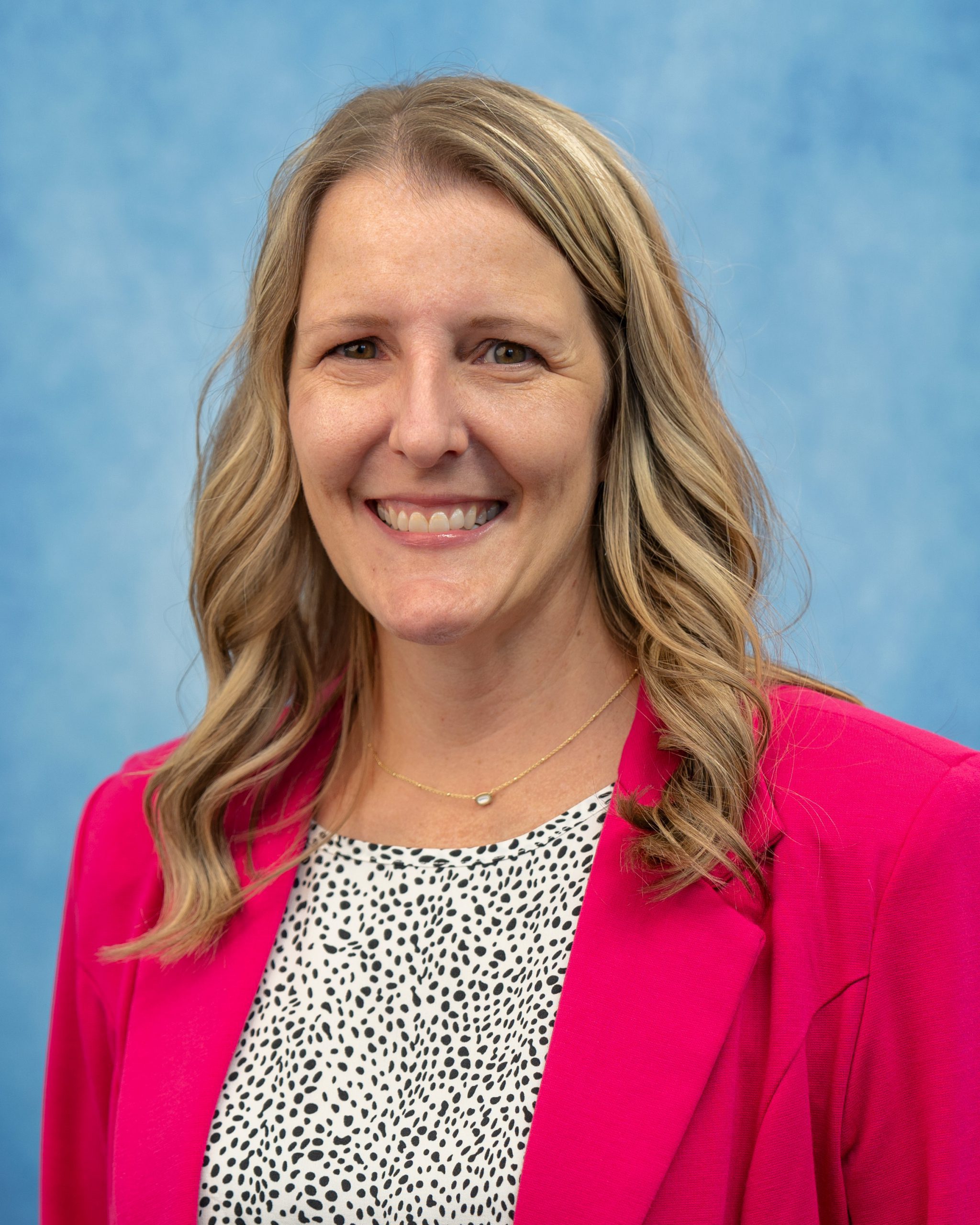
Michelle Spanier, RHIT, CCS, CCEP
Michelle Spanier, RHIT, CCS, CCEP, is Director of Review and Corporate Strategy and Compliance Officer for KFMC Health Improvement Partners. She has more than 29 years of experience as a certified coder, utilization review manager, and compliance leader with expertise in external and peer review, utilization review, quality improvement, and regulatory oversight.
Michelle provides operational oversight of multidisciplinary review teams and subcontractors, manages workflows across state and private review programs, and oversees timelines, reporting, documentation, and internal controls to ensure high-quality performance and full regulatory alignment. As a Certified Compliance and Ethics Professional, she has extensive experience supporting Federal Compliance Programs, including oversight of adherence to Federal Acquisition Regulations and agency-specific requirements, monitoring subcontractor compliance, and maintaining accreditations, including URAC.
Michelle is a member of the American Health Information Management Association, the Kansas Health Information Management Association, the Society of Corporate Compliance & Ethics, and the CMS Region 7 Fraud Working Group.

