Medicaid Utilization Review
What Hospitals Should Expect and Why It Matters
By Michelle Spanier, RHIT, CCS, CCEP
Utilization review can feel mysterious to hospitals, especially when a request for records arrives with little explanation. For many organizations, the process raises immediate questions. Why was this case selected? What are reviewers looking for? How can we prevent denials in the future?
The purpose of Medicaid utilization review is straightforward. State Medicaid programs must ensure that services paid with public funds are medically necessary, appropriately coded, and supported by the medical record. The goal is not to create barriers for hospitals, but to confirm that patients receive the right care and that claims are paid correctly the first time.
How Cases Are Selected
Hospitals often assume a review means something went wrong. In most situations, that is not true. Cases are typically selected through routine sampling, automated edits, or focused reviews required by the state Medicaid plan. A claim may be chosen because:
- It meets a random sample requirement
- The length of stay appears outside typical ranges
- Diagnosis or procedure codes trigger a focused review
- The service falls within a state priority area
Selection does not imply wrongdoing. It simply means the claim requires verification based on program rules.
What Reviewers Look For
Reviewers rely on the same information hospitals use to support patient care. The medical record should tell a clear, consistent story from admission through discharge. Common elements include:
- Physician orders and progress notes
- Nursing documentation
- Test results and imaging reports
- Discharge summaries
- Evidence supporting the level of care billed
When documentation is complete and organized, the review process moves quickly. Most delays occur when key pieces of the clinical picture are missing or difficult to locate.
Coding and Medical Necessity Are Different Questions
One of the most common misunderstandings is the difference between coding accuracy and medical necessity.
Coding review asks whether the diagnosis and procedure codes correctly describe what happened during the encounter. Medical necessity review asks whether the services provided were appropriate for the patient’s condition based on clinical evidence.
A claim can be coded correctly and still lack support for medical necessity. The opposite can also be true. Understanding this distinction helps hospitals respond effectively to requests and focus on the right documentation.
How Collaboration Reduces Denials
Utilization review works best when hospitals and reviewers see each other as partners with a shared goal. Open communication allows questions to be resolved early and prevents small issues from becoming payment problems.
Practical steps that help include:
- Designating a single contact for record requests
- Submitting complete records rather than selected pages
- Asking questions when a request is unclear
- Reviewing findings internally to strengthen future documentation
Many hospitals find that feedback from reviews helps improve templates, discharge summaries, and coding processes. Over time, those changes reduce denials and speed payment.
Why the Process Matters
Medicaid utilization review protects patients, providers, and state resources. It confirms that care meets accepted standards, that coding reflects the clinical picture, and that public dollars are used responsibly.
For hospitals, the process can feel like one more administrative task. Viewed another way, it is an opportunity to strengthen documentation, support accurate reimbursement, and demonstrate the quality of care already being delivered.
When hospitals and reviewers work together with transparency and mutual respect, utilization review becomes less about correction and more about continuous improvement.
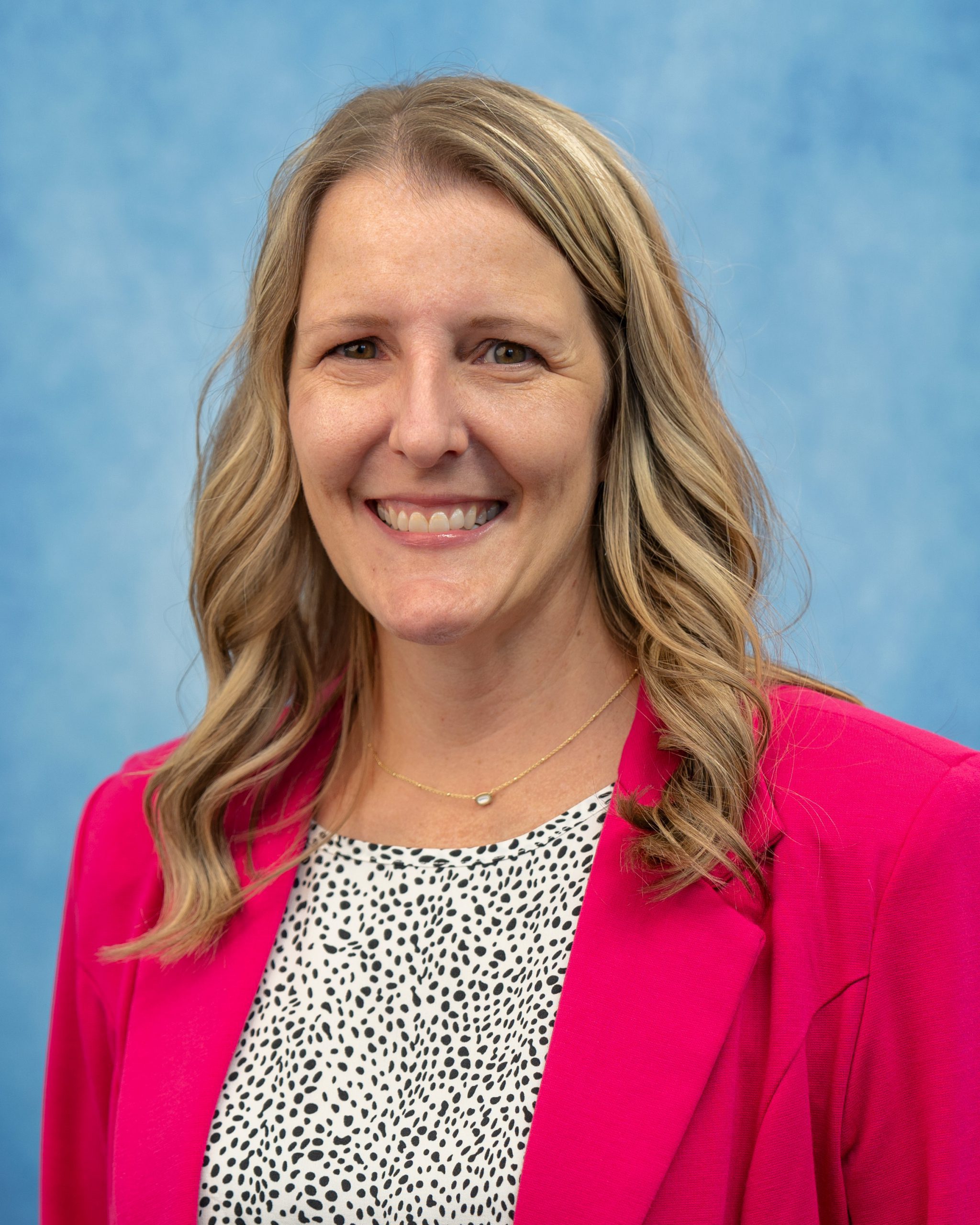
Michelle Spanier, RHIT, CCS, CCEP
Michelle Spanier, RHIT, CCS, CCEP, is Director of Review and Corporate Strategy and Compliance Officer for KFMC Health Improvement Partners. She has more than 29 years of experience as a certified coder, utilization review manager, and compliance leader with expertise in external and peer review, utilization review, quality improvement, and regulatory oversight.
Michelle provides operational oversight of multidisciplinary review teams and subcontractors, manages workflows across state and private review programs, and oversees timelines, reporting, documentation, and internal controls to ensure high-quality performance and full regulatory alignment. As a Certified Compliance and Ethics Professional, she has extensive experience supporting Federal Compliance Programs, including oversight of adherence to Federal Acquisition Regulations and agency-specific requirements, monitoring subcontractor compliance, and maintaining accreditations, including URAC.
Michelle is a member of the American Health Information Management Association, the Kansas Health Information Management Association, the Society of Corporate Compliance & Ethics, and the CMS Region 7 Fraud Working Group.
